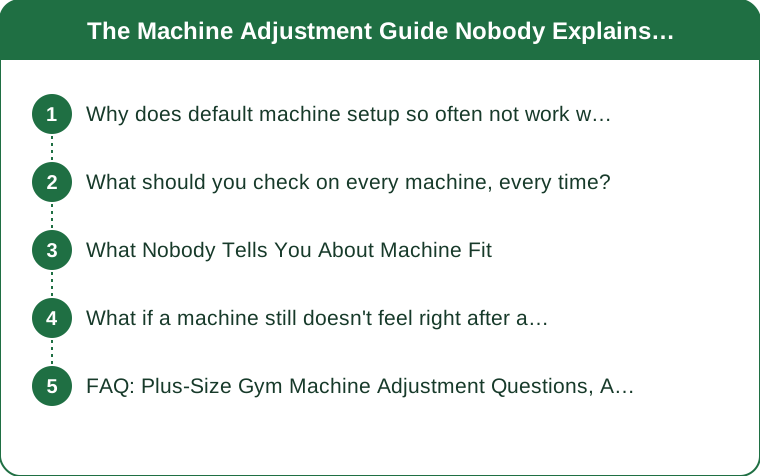
The Machine Adjustment Guide Nobody Explains to Plus-Size Gym Beginners
Quick Answer: Nearly every gym machine has adjustable seat height, back position, and range-of-motion stops — checking and setting these before your first rep, rather than using the machine’s default setting, is the single biggest factor in both comfort and safety, and it’s rarely explained during a standard gym orientation.
Most gym tours show you where machines are, not how to actually set them up for your specific body — a gap that leaves a lot of beginners either uncomfortable or avoiding certain machines entirely.
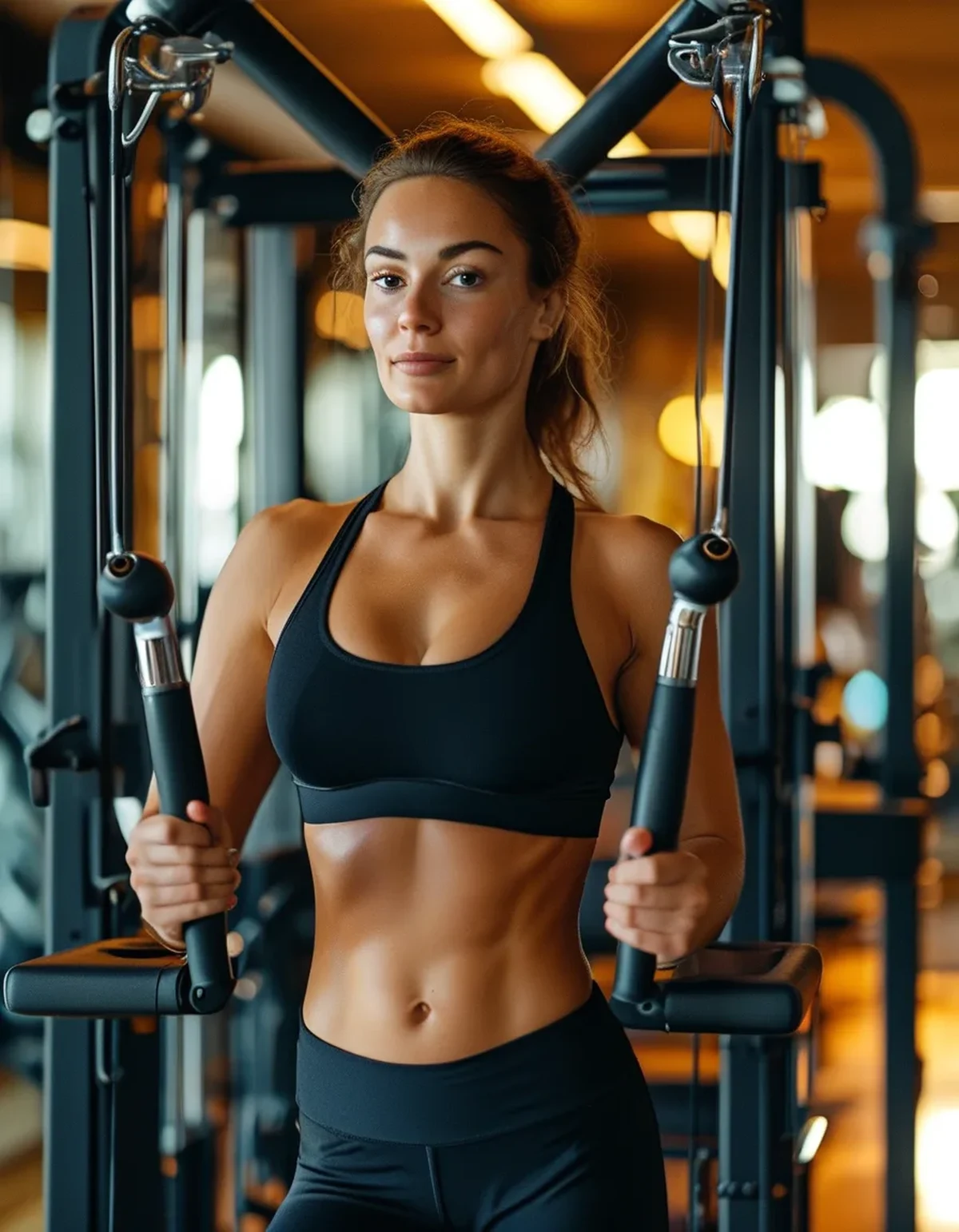
Why does default machine setup so often not work well?
Machines ship with a generic default setting, and the previous user’s adjustment is whatever they left it at — there’s no reason to assume it fits you. This is true for every gym-goer, but the gap is often more noticeable for plus-size beginners since many machines were historically designed around a narrower range of body sizes and proportions than actually use gyms.
Knowing this upfront reframes machine adjustment as a normal, expected step everyone should take — not a sign that something’s wrong with the machine or with you.
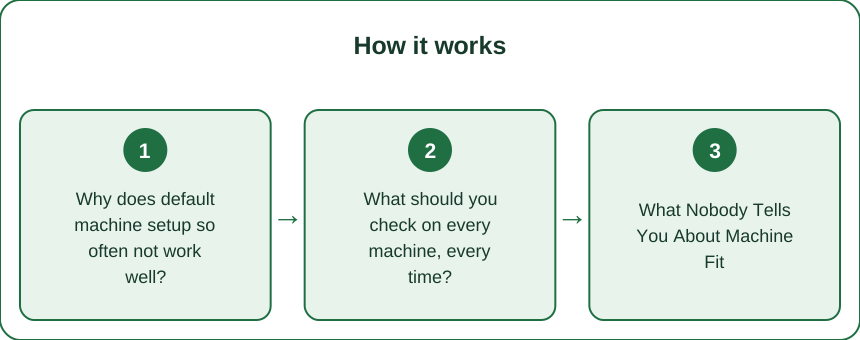
What should you check on every machine, every time?
Seat height: your joint (knee, hip, shoulder depending on machine) should align with the machine’s pivot point — most seats have a lever or pin adjustment nearby. Range of motion stops: many machines let you limit how far a movement travels, useful for comfort or building up gradually. Back pad position: on some machines, this adjusts independently from the seat and affects how your torso is supported through the movement.
Taking 30-60 seconds to check these before starting isn’t slowing anyone down — it’s exactly what the adjustment features are there for.
What Nobody Tells You About Machine Fit
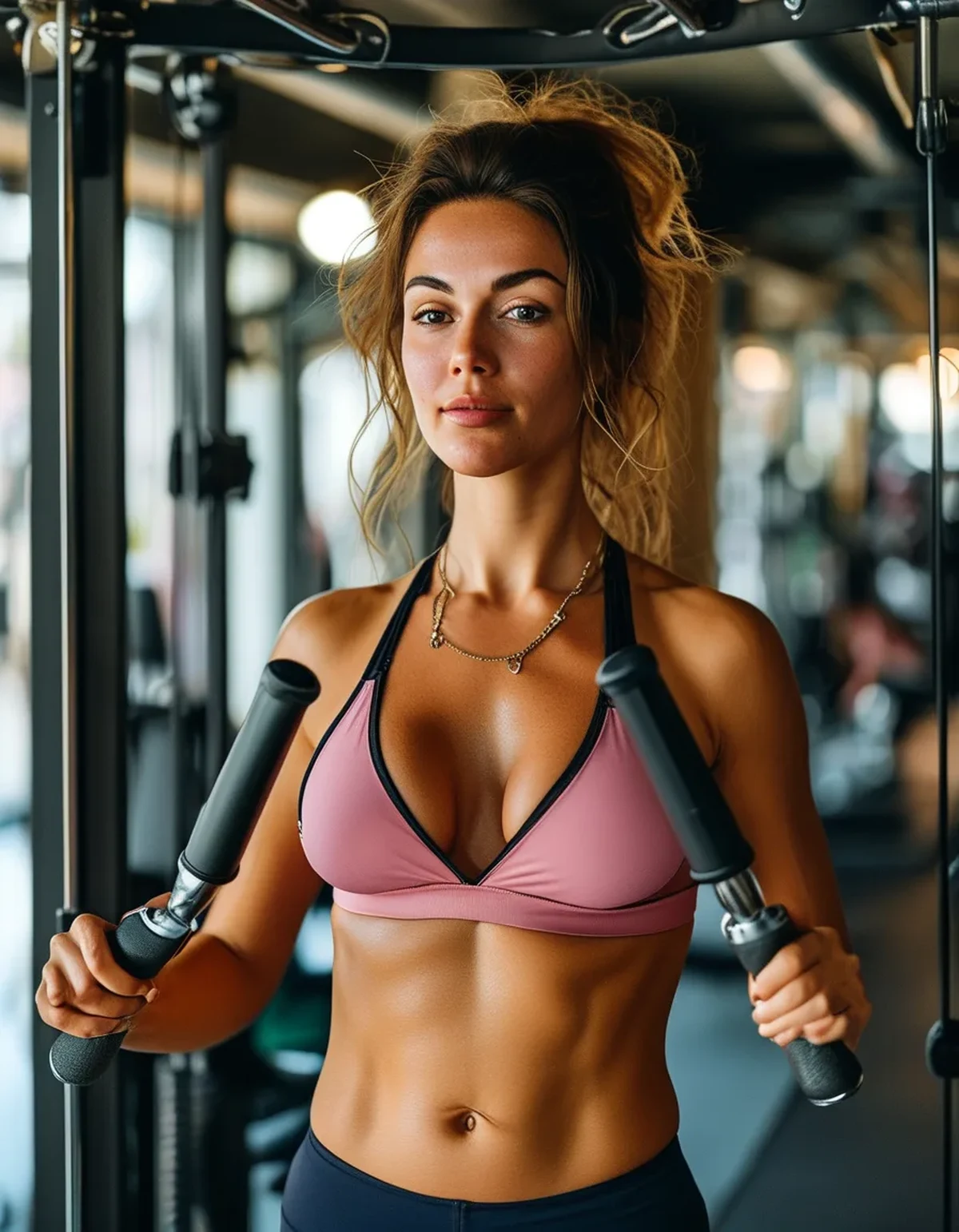
Gym staff genuinely expect and welcome adjustment questions — asking a staff member “can you show me how this adjusts?” is one of the most common, unremarkable questions they field, not an unusual request. Most staff would rather you ask than guess and either get an ineffective workout or risk discomfort.
Also underrated: some machines simply aren’t a good fit for some body types, and that’s a machine limitation, not a personal one — free weights, cables, or a different machine targeting the same muscle group are all equally legitimate alternatives worth asking about.
What if a machine still doesn’t feel right after adjusting?
Try the accessible adjustment range fully — some people don’t realize a machine’s range extends further than the default position suggests. If it still doesn’t work well even fully adjusted, that’s useful information, not a failure — ask staff for an alternative exercise targeting the same muscles, which nearly always exists in some other form (cable, dumbbell, or a different machine).
Building a small mental list of “machines that work well for me” over the first few weeks is a completely normal, practical part of settling into a new gym.
FAQ: Plus-Size Gym Machine Adjustment Questions, Answered
Is it okay to ask staff for help adjusting machines every visit at first?
Completely normal — most people need a few repeated visits before machine adjustment becomes automatic, and staff expect and welcome these questions especially from newer members.
Are there machines specifically known to have wider size accommodation?
This varies significantly by gym and equipment brand — some manufacturers have expanded weight capacity and seat sizing in recent years, so it’s worth asking staff which machines in your specific gym have the widest accommodation.
What if a machine has a weight capacity limit?
Weight capacity limits do exist on some equipment for safety reasons — check posted limits, and ask staff for alternative equivalent exercises if a specific machine isn’t rated for your needs.
TL;DR:
- Check seat height, range-of-motion stops, and back pad position before every use
- Default and previous-user settings rarely fit you — adjustment is a normal expected step
- Staff expect and welcome adjustment questions — asking isn’t unusual
- If a machine doesn’t work well even fully adjusted, an equally valid alternative exists
Keep Reading
This article is for general informational and styling purposes only. Fit, sizing, and product availability may vary.
