The One Machine Adjustment Most Plus-Size Beginners Skip on Their First Gym Visit
Quick Answer: Taking 30-60 seconds to adjust a machine’s seat height and range-of-motion settings before your first rep, rather than using the default factory position, makes a bigger difference for comfort and effectiveness on a plus-size frame than almost any other single gym habit.
Most gym machines are set to a generic default position that doesn’t account for individual body proportions, and that mismatch is often what makes a first machine experience feel awkward rather than empowering.
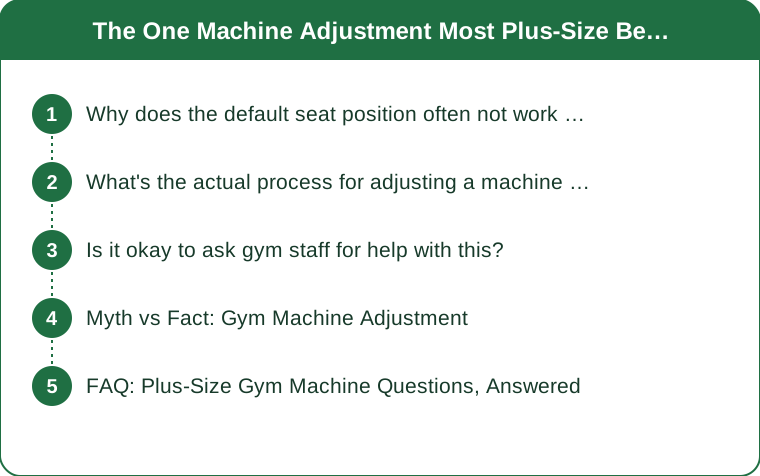
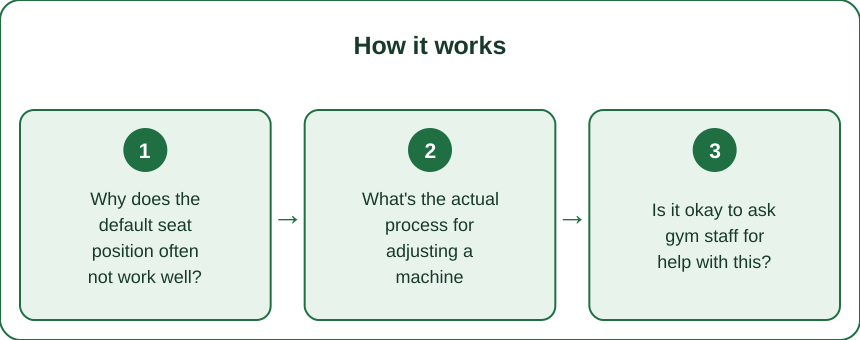
Why does the default seat position often not work well?
Machines are calibrated to an average body size that doesn’t reflect the full range of gym-goers using them. A seat set too low or too high changes the joint angle at the start of the movement, which can make an exercise feel harder, less effective, or even uncomfortable in ways that have nothing to do with strength or ability.
What’s the actual process for adjusting a machine correctly?
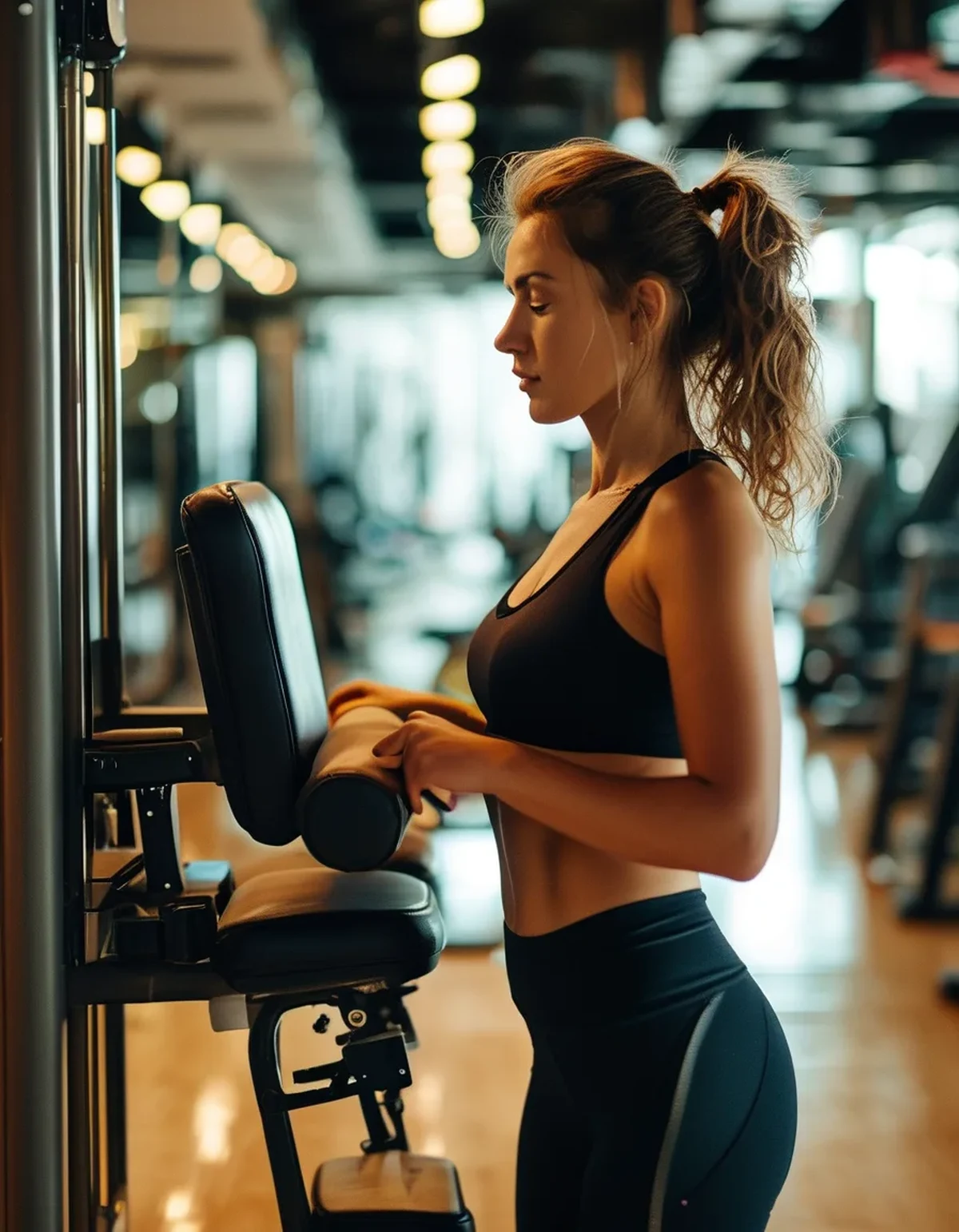
Most machines have a quick-release pin or lever for seat height, and a separate range-limiter for how far the arms or legs travel. Sitting down first, checking that the primary joint (knee, shoulder, hip depending on the machine) lines up with the machine’s pivot point, and adjusting from there — rather than assuming the seat is already right — takes under a minute and changes the whole feel of the exercise.

Is it okay to ask gym staff for help with this?
Absolutely — gym staff expect and welcome adjustment questions, especially from newer members. Asking “can you show me how to adjust this for my height” is one of the most common and reasonable questions staff field, and most gyms train employees specifically to help with this.
Myth vs Fact: Gym Machine Adjustment
Myth: Machines are one-size-fits-all and don’t need adjusting. Fact: Nearly every machine has adjustable components specifically because bodies vary — using the default setting is rarely optimal for anyone.
Myth: Asking for help with machine setup looks inexperienced. Fact: Staff see this question constantly from members of all experience levels — it’s a completely normal request.
Myth: If a machine feels uncomfortable, the exercise just isn’t for your body type. Fact: Discomfort is often a setup issue first — adjusting the seat and range resolves it more often than switching exercises does.
FAQ: Plus-Size Gym Machine Questions, Answered
What if a machine doesn’t seem to adjust to fit comfortably at all?
Some equipment genuinely has limited range for larger frames — in that case, asking staff about an alternative exercise targeting the same muscle group is a reasonable next step, not a personal shortcoming.
How do I know if a seat height is correct without a trainer?
A general guide: the primary joint being worked should align closely with the machine’s visible pivot point — most machines have this marked or it’s visible where the mechanical arm rotates.
Should I re-check adjustments every visit?
If you’re using the same gym regularly, many members find it faster to note down their personal settings for frequently used machines rather than re-figuring it out each time.
TL;DR:
- Default machine settings are calibrated to an average that doesn’t fit every body
- Taking under a minute to adjust seat height and range makes a real comfort and effectiveness difference
- Asking gym staff for adjustment help is completely normal and expected
- Persistent discomfort is often a setup issue, not a sign the exercise isn’t for you
On your next visit, build in that extra minute per machine — it’s a small habit that changes how the whole workout feels.
Keep Reading
This article is for general informational and styling purposes only. Fit, sizing, and product availability may vary.
